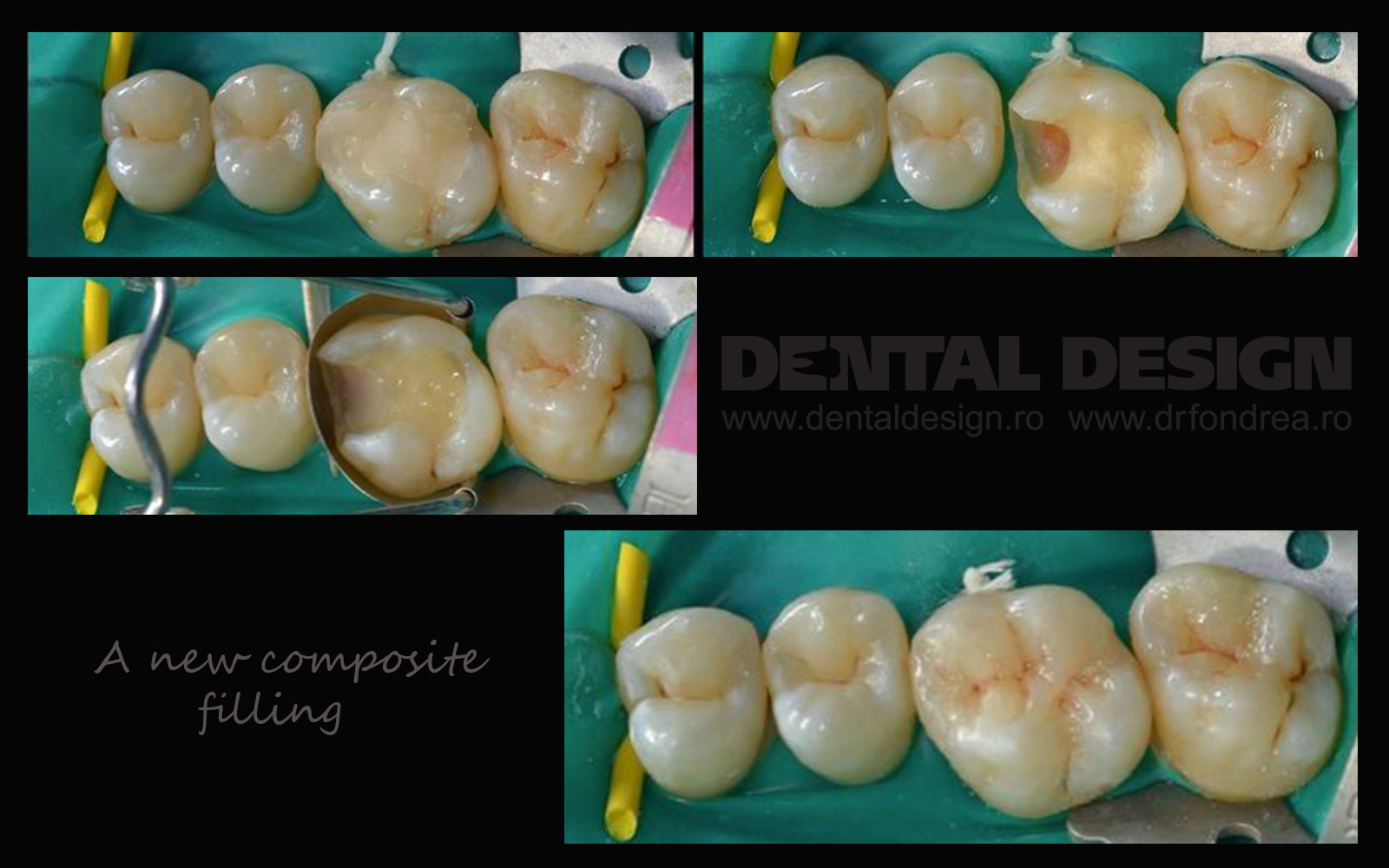
A Brief Look into "Stone Age" Dentistry
Would it be safe to consider dentistry as the oldest profession known to humankind? Maybe not, since that position is already taken, if I am not mistaken. I also doubt the fact that dentistry is going to be the last profession ever invented. Ever since ancient times people have been used to treat their teeth to the best of their knowledge, and will do the same as long as it is needed.
Our forefathers did not have all the third millennium materials easily available for us today, nor did they use ceramics, titanium implants, or zirconium. They did not whiten their smiles with state-of-the-art plasma lamps and they had a different opinion regarding dental prophylactic measures than we do today. Nevertheless, they paid a reasonable amount of attention to their dental problems and always did their best to solve them. As for anaesthetics they had the only one best option: not to use them at all. But sometimes the pain grew so extreme that they had to come up with all kinds of drugs in order to get mentally prepared. They would use plants, smoke or they would even dance themselves into a deep state of trance so that the dental intervention could become bearable. Plant cocktails prescribed by medicine-men were administrated just as the antibiotics of today's world and some of them, surprisingly, did a fairly decent job.
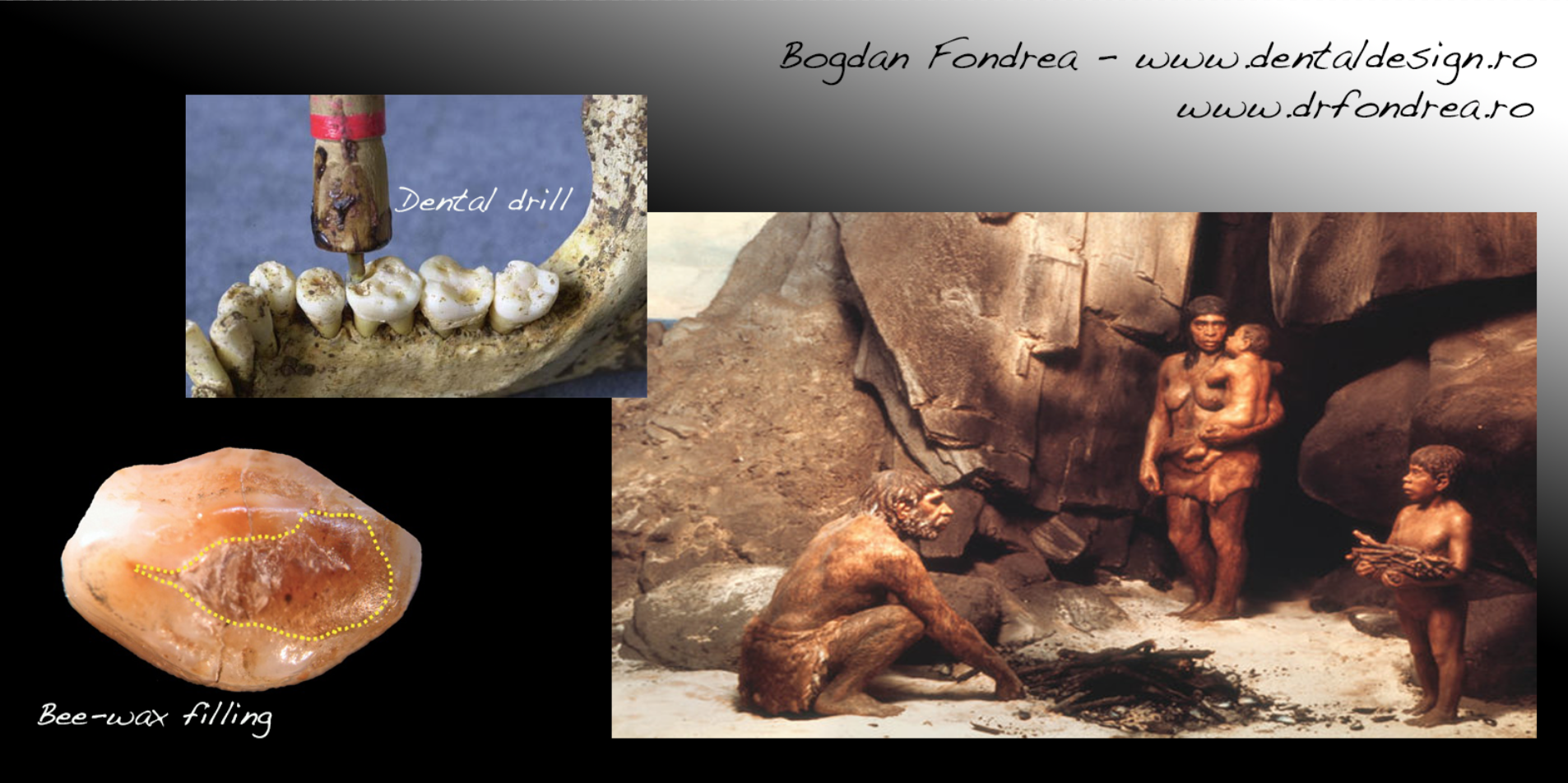
On the other hand, pain killers and antibiotics were not always efficient enough to cure the hurting patient, so a direct dental intervention turned out to be mandatory. A viable solution was in high demand and when self-curing was not possible, a designated "dentist" was the best and only option. Instead of a dental drill for treating cavities, they used a rudimentary bow and arrow, similar to the one used for starting a fire. The cavity formed was filled with bee wax. Instead of dental implants, animal teeth were placed in the bleeding socket where a tooth was lost as a result of a battle or hunting accident. In a similar way, they used sea-shells or any other objects available at hand. Surprisingly, some of these items got well integrated in the natural jaw bone. As for cosmetic whitening, ancient people (and very few contemporary tribal communities in remote geographic areas) used to have their teeth blackened with paint or even ash. This is an interesting indicator of how aesthetics is different from culture to culture and specific to a certain time span.
Looking into the future, with the hindsight knowledge we have today, dentistry might follow similar dramatically changing patterns in the future very much in the same vein as today. Maybe in no more than just a few decades, our modern techniques could seem rudimentary and barbaric. It may be that materials and treatments will significantly evolve, but the unwritten dental law will still be the same and will remain untampered: painless, functional, beautiful smile.
As a conclusion, along with our scientific community, I tend to agree that dentistry emerged as both a science and an art form with the emergence of the first toothache and will stay here as long as we have to chew, love to smile and have the desire to speak.
Dr. Bogdan Fondrea - www.dentaldesign.ro